Jan
19
Deliberative Democracy: Traversing Polarization and Empowering Citizens in the Modern Political Landscape
Filed Under Deliberative Democracy, From the Field | Leave a Comment
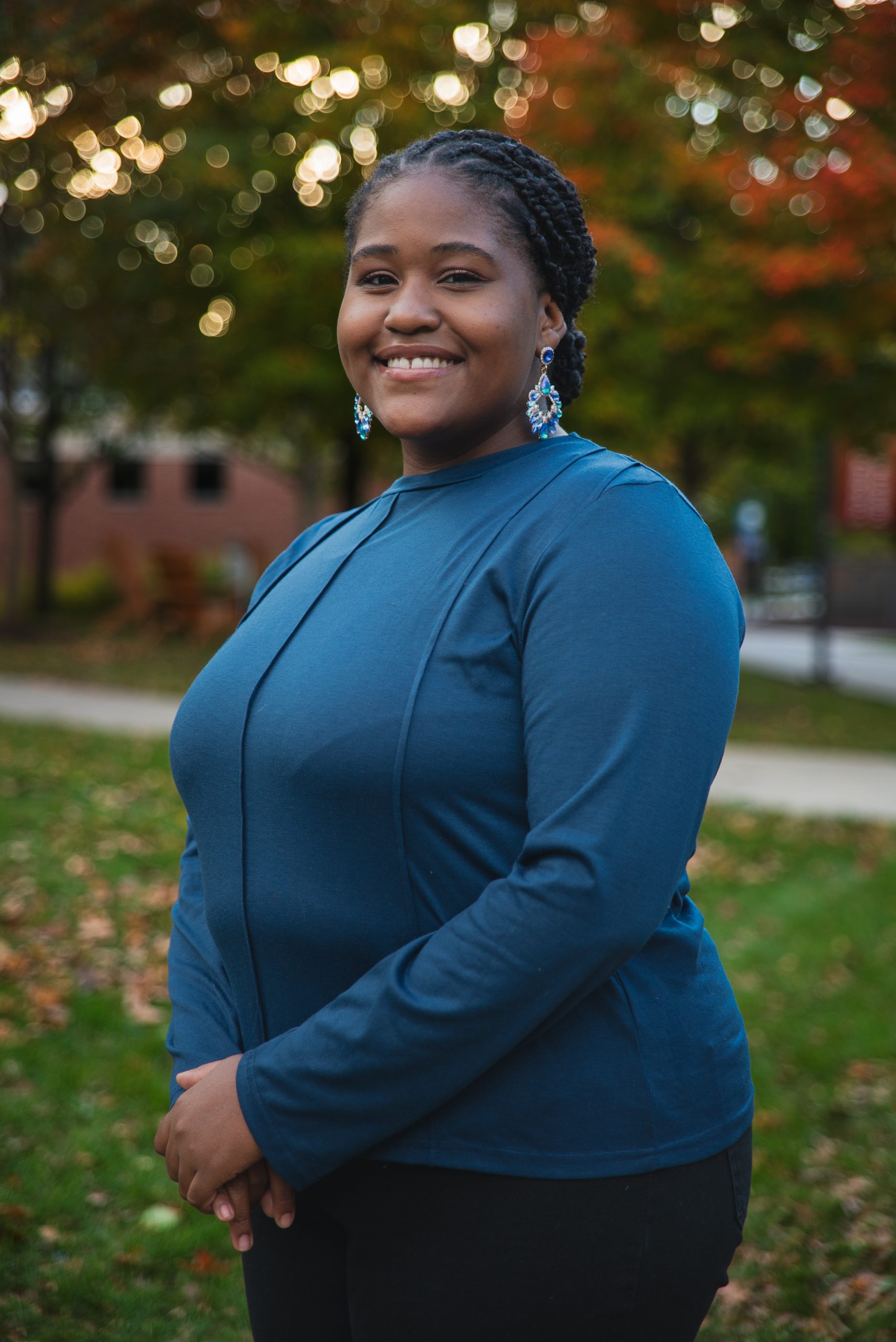
Gabrielle Mitchell is a senior politics and international relations major with a concentration in American politics.
This post is the fourth of this season of From the Field. If you have not yet done so, please read this brief post by the series editor introducing our focus for the season.
Why can’t we just deliberate? For centuries, effective and productive discussion has been a powerful tool to move the needle of change, open doors for diverse viewpoints to be shared, and birth new ideas that have built governments and promoted hope. Mindfulness and connection embed themselves even in the most contentious political discussions and policymaking. In the political environment, we find the idea of deliberative democracy rubs up against the traditional mold of direct democracy and opens the door for citizens to engage in the negotiation process of governance. Moreover, this conversation with Professor Jane Mansbridge illustrates how polarization has perpetuated ideological extremes and transformed the study of public opinion. This shift has led to a perceived centralization and sensationalism that selectively segments citizenship and inhibits pathways toward equality.
As shared in the podcast episode, one of the avenues to combating the effects of polarization is implementing deliberative democracy, a technique designed to cultivate and empower citizens to be more thoughtfully engaged in the political system. Mansbridge advocates this method and offers a perspective on how this technique can be implemented through dialogue between governmental representatives and constituents. Concretely, this technique calls for a heightened level of intentionality to be reinfused back into the democratic system of decision-making. It encourages citizens to view their role in the democratic system as more than just electing and voting for representatives. Therefore, it produces the challenge of the public seeing themselves as social actors with a real voice and power to influence decisions. Thus, this analysis will explore the effects of polarization on the perception of citizenship and how deliberate democracy can promote democratic engagement and representation.
Defining Polarization: A key aspect of understanding how deliberative democracy serves as a tool for navigating today’s political landscape, as discussed in this podcast episode, is having a well-measured perspective on current polarization. Hence, before getting into the specifics of deliberative democracy, Illing asked Mansbridge to give an overview of why we see polarization today. Mansbridge shared what can be labeled as the “Big 3 of Polarization” today:
(1) At the core of the divergence along the political spectrum is the historical partisan division between the two major political parties that exist (3:45-4:30; Glynn et al. 2015, 274-275).
(2) A competitive congress has been created as democratic homogeneity has elevated the price of being the majority in control (5:00-7:20).
(3) Polarization has had a historical trend that follows a U-curve format, rising and falling as partisanship has created echo chambers and decreased the ability of representatives to create compromises.
These three dynamics that help characterize polarizations have, in turn, been seen to make up the “polarization effect” today. Grounds for this analysis of polarization are tracked by how individuals are more likely to receive and accept the messages of leaders who believe the same as they do, versus engaging leaders who do not (Glynn et al. 2015, 269-270. This status presents an issue of resistance in understanding differences and a lack of ability to engage in inter-party dialogues.
Polarization has also played a role in the media, which often shines a light on a selective perception of policy that may not be as representative of public opinion, creating inequalities in the measurements of opinion and perception. Therefore, mechanisms for navigating this political landscape have been explored, and Mansbridge has been someone in the field who has helped establish one way to get closer to measuring public opinion and the role of citizenship through developments in deliberative democracy.
Understanding Deliberative Democracy: Empowering citizens through interacting, strategizing, and opening communication channels between governmental representatives and constituents is a defining element of deliberative democracy. Mansbridge shared that this is in tales engaging citizens more in the negotiation process and teaching representatives’ skills to mitigate the impacts of polarization (20:00-30:00). She further shared that research shows that this process can have a positive effect on citizens through the facilitation of collaboration and dialogue, especially between constituents and political parties. However, little research exists on the impact that it has on members of Congress.
Deliberative democracy experiences can help members become more rooted in their constituency, allowing them to take on a needed tone and learn more about the constituents’ perspective (29:00-29:46). This point is critical to underscore, as studies on perceptions of constituents have shown that sometimes members of Congress do not know what is really going on and incorrectly estimate what their constituents want (Glynn et al. 2015, 106-107). This overestimation or underestimation is due to a reliance on filtering actors in the political realm, like activists, special interest groups, and elites. Modern-day media integration significantly contributes to the polarization of public opinion, exacerbating the blind spots that can arise in measuring public concern and focus. Promoting dialogue with congressional members and their constituents directly can help close the perception gap and identify biases integrated into messages that lack a well-rounded scope on constituents’ perspectives to address issues on the local level and bolster support on a national level.
Deliberative polls offer a way to structure deliberative democracy to help traverse the political realm. This technique of measuring public opinion pulls individuals together to establish a common goal that will lead to a common good for the whole. Mansbridge shared that this random selection method of citizens who will have the opportunity to speak into and converse about issues and policy has shown systematic change and allows for the normative elements of what should happen in civic engagement to mingle with the empirical (32:00-41:00). Ultimately, this format opens the door to help all citizens become equipped and eligible voices in the making and governing of policy and decisions. Deliberative approaches can also push back on the threat of elitism and promote pluralism and equal representation (Glynn et al. 2015, 107-108). Furthermore, the benefits of this technique include an enhancement of legitimacy, an increase in civic engagement, and public understanding.
On the other hand, one of the costs of this approach is the accessibility of resources and time to facilitate group participation and representative presence. Yet, as Mansbridge argued towards the end of the podcast episode, the deliberative approach can be made in small, concentrated efforts to propel conversations between constituents and governmental representatives.
For these reasons, deliberative democracy emerges as a vital tool for addressing the challenges of polarization in our current political landscape. By cultivating an intentional environment of dialogue and collaboration between citizens and their representatives, this approach not only empowers individuals to take an active role in governance but also bridges the divides that have become increasingly pronounced due to polarization. As discussed by Mansbridge, understanding the complexities of polarization is essential in identifying how representative communication is crucial for navigating affective polarization.
While there may be limitations to the developing research on the effects of deliberate practices on congressional representatives, the potential for these methods to enhance communication and understanding offers a promising pathway toward calling citizens to be socially and governmentally conscious in their engagement. Even more so, technologies today allow scaling the capacity of dialogue and connection to invite citizens into recursive communication. Embracing deliberative democracy can cultivate a more pluralistic political environment that rises above partisan divides. This approach encourages a collective effort to navigate the complexities of governance, ensuring that all voices are heard and valued in the decision-making process.
References:
Glynn, Carroll J., Susan Herbst, Mark Lindeman, Garrett J. O’Keefe, and Robert Y. Shapiro. 2015. Public Opinion. 3rd ed. Routledge.
Podcast: The Gray Area with Sean Illing – “What deliberative democracy can, and can’t, do (with Jane Mansbridge)”