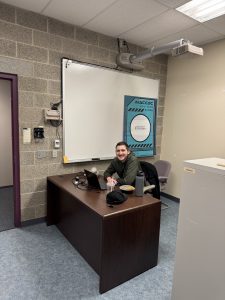
Cyber Camps Recap 2026!

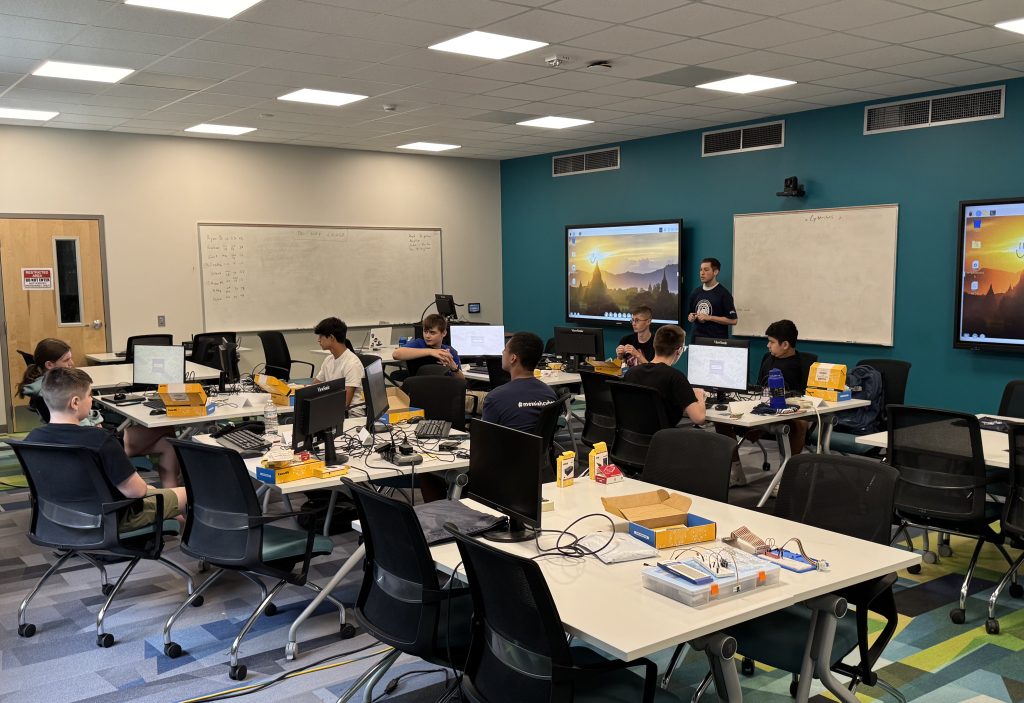
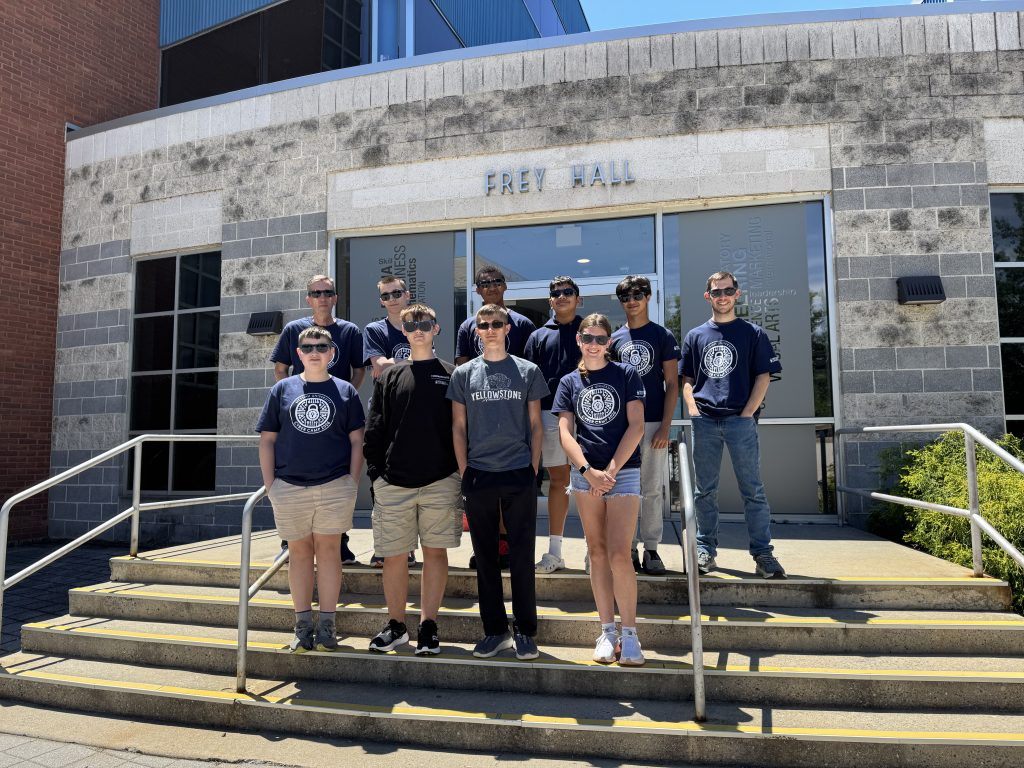
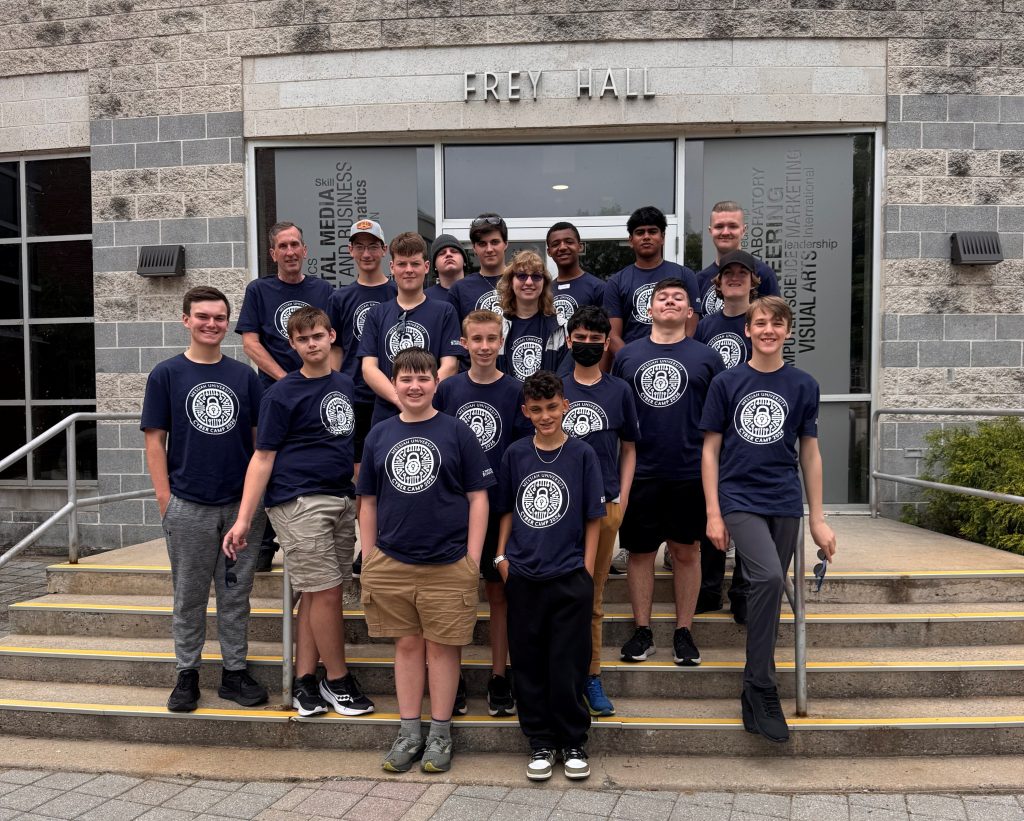
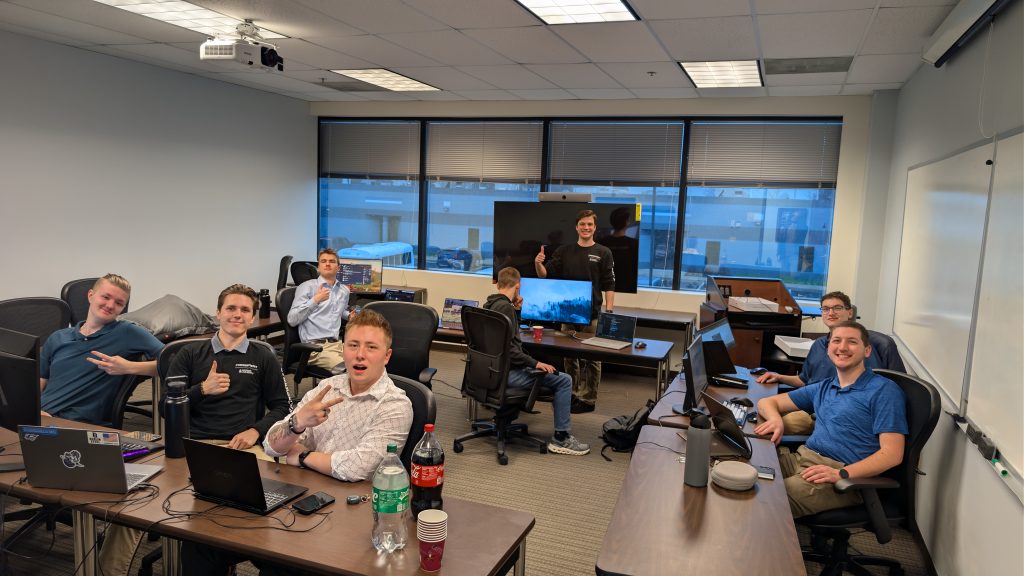
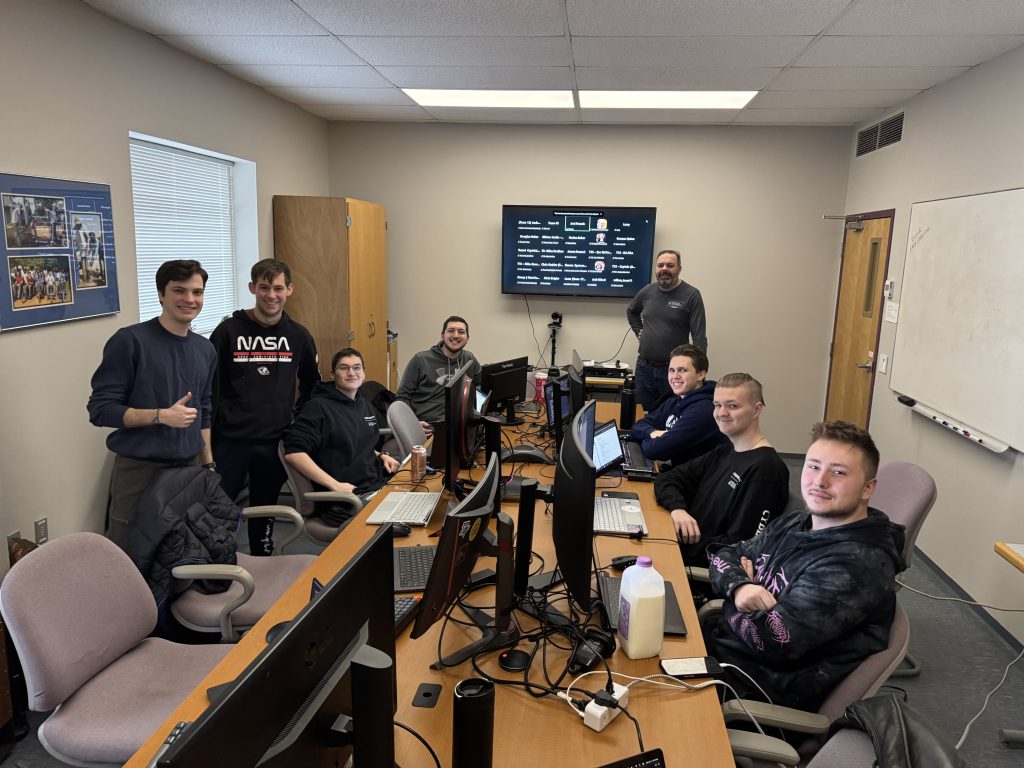
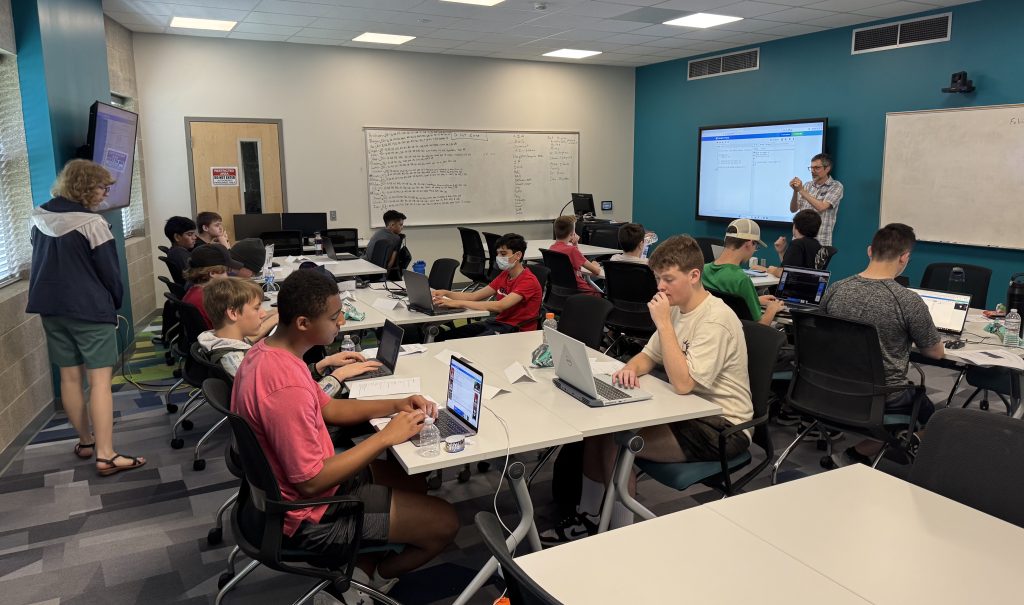
We had the pleasure of once again hosting high school students for our annual Cyber Camp, held June 8–11, and our new Cyber Pi Camp, held June 15–18! Across the two camps, students came to Messiah University to learn about cybersecurity, explore hands-on technology, and get a small taste of college life on campus.

During Cyber Camp, students learned foundational cybersecurity concepts including the C-I-A triad, Linux, Python, online safety, threats, cryptography, firewalls, logging, and incident response.  Students also participated in cyber gaming challenges, daily activities, and hands-on exercises designed to help them understand how cybersecurity professionals think and work.

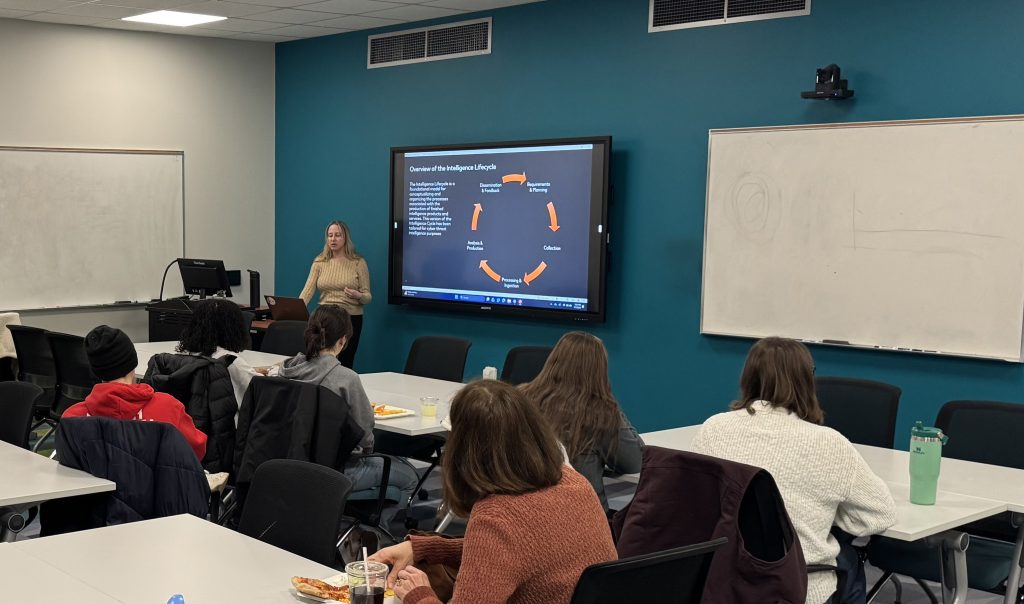
This year, we were grateful to once again have several special guests and cybersecurity professionals join us.  Sharon Flategraff, Director of Threat Intelligence at Mastercard, led students in a KC7 cyber gaming challenge.  Mitch DeFanti, SOC and Red Team Manager on the Messiah University IT Security team, gave students a tour of the Security Operations Center (SOC), where our cybersecurity interns work each semester gaining real-world cybersecurity experience.  Mitch had a cybersecurity intern speak to us about his experience working in the SOC and guide us through several Graylog exercises to find network intruders.  Dan Brookes, Director and CEO at the National Center for Narrative Intelligence, spoke to campers about AI and cyber careers.  We also had several professors join us to share stories and topics from their cybersecurity and computer science courses.

Cyber Pi Camp gave students another opportunity to explore cybersecurity through hands-on computing with Raspberry Pi devices.  Students worked with Linux, Python, GPIO circuits, sensors, networking, and cybersecurity activities.  They also used Raspberry Pi systems with Mango routers to learn about Wi-Fi configuration, local networks, web servers, and port forwarding.  The camp gave students a fun and practical introduction to how small computing devices can be used to learn important cybersecurity and networking concepts.

One of the highlights of both camps was seeing students work together, solve problems, ask thoughtful questions, and build confidence with new tools.  The games, labs, Raspberry Pi activities, and SOC tour helped students connect cybersecurity concepts to real-world applications.  We are already looking forward to building on this year’s activities and continuing to expand hands-on learning opportunities for future camps.

Thank you to all of our students from Cyber Camp 2026 and Cyber Pi Camp 2026.  You were what made these camps so great.  We enjoyed spending time with you, and we look forward to seeing how cybersecurity and technology play a role in your path moving forward.  Thanks also to the parents and families for your support of the students and of our camps.

Enjoy photos from this year’s camps!
Cybersecurity Competition Team Competes in LU Cyber Summit

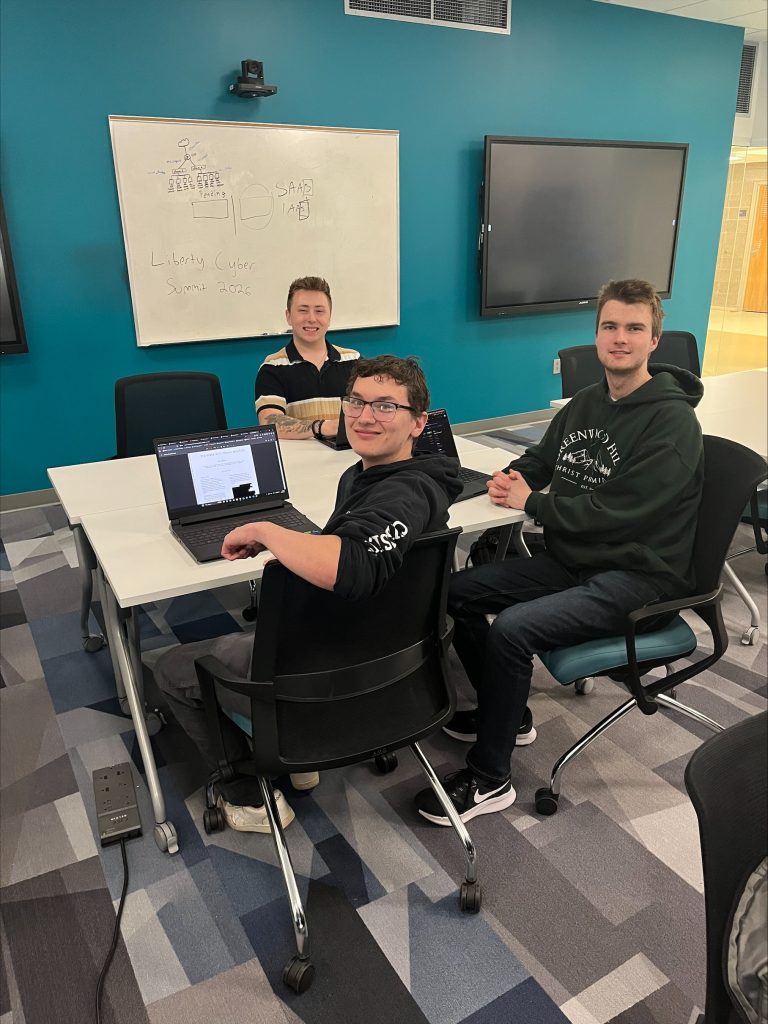
On Saturday, April 18, a team of three Messiah University students competed in the annual Cyber Summit hosted by Liberty University, where they finished in first place. The event featured a Collegiate Cyber Defense Competition (CCDC)-style format, challenging teams to defend systems in a live environment while responding to injects and maintaining critical services.

Throughout the competition, the team worked to balance system availability with security, quickly addressing vulnerabilities, responding to simulated business requests, and mitigating active threats. The fast-paced nature of the event required strong communication, technical skill, and adaptability under pressure.

In addition to the competition itself, the summit provided valuable opportunities to connect with students and faculty from Liberty. These interactions allowed for meaningful discussions around cybersecurity practices, team strategies, and shared experiences in collegiate cyber competitions. We want to thank Liberty for hosting this event and providing an exceptional opportunity competition and collaboration!

The team represented Messiah well, demonstrating both technical ability and professionalism in a challenging and dynamic environment. Experiences like this continue to strengthen the program and prepare students for future competitions and careers in cybersecurity.

Team members were Ryan, Eli and Isaac. Thanks to Eli for providing this post.


Cybersecurity Competition Team competes in CCDC Regional

Back in January, Messiah competed in the 2026 MACCDC (Mid Atlantic Collegiate Cyber Defense Competition) qualifiers event. After a rocky start in qualifiers, we were unsure whether we would make it to regionals again, as we have in years past. After waiting patiently for some time, we got the email that we made the cut for the regionals competition in March.

The team put in a ton of hours and a lot of work making scripts, practicing common hardening methods, and constantly putting time into understanding the systems and the best ways to prevent attacks from happening.

Over the weekend of March 27–28, Messiah’s MACCDC team competed in the 2026 Regionals. I’m proud of the team’s hard work and performance. We had a strong first day, often staying in 1st or 2nd in service scoring, and although we struggled at times, we recovered well. We started the second day strong, keeping pace with other teams, but increased attacks made it harder to maintain services. Despite dropping on the leaderboard, the team stayed positive and gave their best effort.

In the end, Messiah finished in 4th place (to the best of our knowledge). We placed behind the University of Virginia in 1st, Liberty University in 2nd, and Penn State University in 3rd.

As one of the team’s captains, I couldn’t be prouder of how everyone performed this year. This was, without a doubt, the strongest showing Messiah has had at regionals since the team was started 4 years ago. I pray for the team’s continued success and growth, and that one day they get on the podium.

I want to thank, applaud, and congratulate the team –  Christopher Copeland, Ryan Scannell, Michael DeVito, Austin King, Eli Kalmbacher, Isaac Zimmerman, Harley Freeny –  For such a great year of competition and all the hard work everyone put in. I also want to thank our coach, David Bibighaus, for teaching the team both in the class and outside, and for mentoring all of us during all the competitions through the years.

> Thanks to team co-captain Brandan Snook for submitting this post.

Cyber Threat Intelligence guest speaker

On March 2nd, Sharon Flategraff, Director of Cyber Threat Intelligence at Mastercard, presented a seminar on cyber threat intelligence. She provided an overview of what cyber threat intelligence is and the role it plays in helping organizations identify and respond to potential cyber threats. Flategraff also shared insights from her professional experience, giving a practical perspective on the field.

The seminar, hosted by the Sigma Zeta Honor Society, highlighted the importance of cybersecurity and offered a valuable look into careers and practices within cyber threat intelligence.

Thanks to Katie for providing this post!

Naval Supply Systems Command visits campus

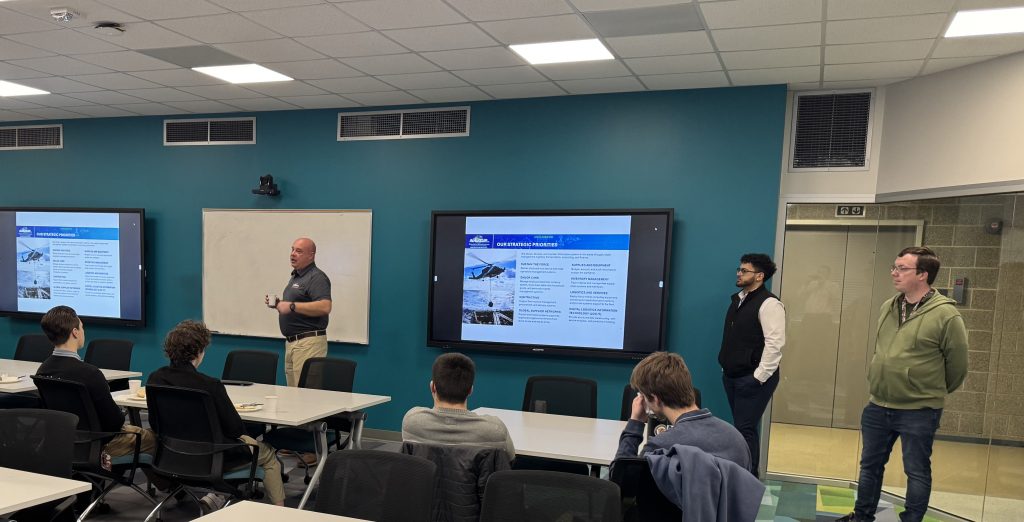
The Cybersecurity Education Program hosted a breakfast event with local Naval Supply Systems Command (NAVSUP) representatives for our students in cybersecurity, computer science and business.  NAVSUP employees Kevin Davis, Juwan Johnson and Thomas Kalafsky spoke with the students about internship and career opportunities at  NAVSUP facilities in nearby Mechanicsburg.

Students learned about how NAVSUP maintains the IT infrastructure in the Navy’s supply chains, applies cybersecurity fundamentals in everything from testing and building a product to reading and updating policies, and ensures logistics systems are operational.

We look forward to continued opportunities for our students to work with NAVSUP as interns and full-time employees!

NAVSUP employee Kevin Davis speaking with students. Bagels, coffee, and donuts helped round out the morning!

Messiah University Places 4th at NCAE Cyber Games Regionals

Last weekend, Messiah University’s cybersecurity team competed in the NCAE Cyber Games Regional Competition and placed 4th out of 13 teams in our division. The NCAE Cyber Games is funded by the NSA to bring together teams from universities across the country to test their skills in a live, adversarial environment. Unlike traditional Capture the Flag competitions, the NCAE Cyber Games drops teams into a real network that must be built, configured, and defended from scratch, all while professional hackers have already compromised it and are actively attacking the systems.
Over the course of seven intense hours, our team managed six systems and over a dozen services, while maintaining operations and responding to real-time attacks. We finished 4th in our division, narrowly behind two teams from Virginia Tech and just short of division winner Northeastern University. Competing that closely with programs that have well-established cybersecurity departments is a testament to the talent and preparation this team brought to the table.
A huge congratulations goes out to every member of the team: Noah, Gabe, Nick, Drew, Noah, Jonah, Zach.  The team is coached by Dr. Bibighaus.
We would also like to thank NCAE for running this event and providing funding, and Messiah University’s cyber department for their continued support. Go Falcons!
Thanks to team captain Noah for writing this post.

Messiah Cybersecurity Team Qualifies for 2026 MACCDC Regional

On Saturday, January 17, 2026, the Messiah University Cybersecurity Competition Team participated in the Mid-Atlantic Collegiate Cyber Defense Competition (MACCDC) regional qualifier.  This virtual cyber defense competition determines which teams advance to the in-person regional event held in the Baltimore area.

MACCDC is an “inherit-and-defend” style competition in which teams are given a simulated business production environment, complete with the systems and services found in a real organization.  Teams must quickly assess and harden these systems before attackers (the “red team”) attempt to compromise them.  In addition to technical defense, participants operate as a legitimate business—responding to operational requests, maintaining service availability, and writing professional business memos to and from a simulated executive leadership team.

This year, Messiah University’s team was comprised of Chris, Brandon, Ryan, Austin, Michael, Eli, Isaac, and Harley.  The team is coached by Dr. David Bibighaus.

We are proud to share that Messiah University placed in the top eight of the regional qualifiers while competing against 16 teams, including many large Division I institutions.  This placement advances our team to the in-person regional competition on March 27–28.

This accomplishment reflects the team’s hard work and dedication, as well as the continued growth of Messiah University’s Cybersecurity Program. The team looks forward to building on this experience as they prepare for future competitions.


Students Compete at National Cyber League

This November, Messiah University’s Cyber Competition Team participated in the weekend-long National Cyber League (NCL) competition. With increasing turnout to our cybersecurity club this year, students decided to split into two teams to allow all to compete. The first team, competing with 2 upperclassmen and 4 underclassmen, started on Friday and met up Saturday evening to work on the challenges together. The second team, competing with 3 upperclassmen, worked periodically throughout the weekend and met for many hours on Sunday.

As the event concluded on Sunday evening, the team gathered for a recap meeting. Messiah’s team of 7 completed close to 75% of all challenges and placed in the top 5% of all teams. Meanwhile, Messiah’s team of 3 completed close to 45% of all challenges and placed lower. Each student mentioned enjoying the competition and finding it a challenging learning experience. The team’s cyber skills were sharpened in various areas such as cryptography, traffic analysis, web app exploitation and more.

Coming up for the Messiah team is the annual Collegiate Cyber Defense Competition (CCDC) held during spring semester, as well as the NCAE Cyber Games.  Students have prepared this past fall and will be coordinating quickly after coming back to get ready for qualifiers. The team is excited to introduce new talent to the competition environment and continue learning new skills. Stay tuned for updates!

Thanks to Ryan, junior cyber student, for writing this post.

Cyber threat hunter visits campus

We were honored to host Jim Gale, Lead Cyber Security Research Consultant at Wells Fargo Bank, on campus last week!

He shared with our cybersecurity students valuable insights into threat hunting practices and his research on the DPRK’s remote IT worker threat. Our students walked away with a deeper understanding of how global adversaries are evolving — and how industry leaders are responding.

Opportunities like this bridge the gap between classroom learning and the real-world challenges cyber professionals face every day.


A huge thank you to Jim for investing in the next generation of cyber defenders!

Cyber Range Status Update

Our summer cyber lab project wrapped up with great success as our two student lab techs, Austin and Brandan, spent 10 weeks working full-time to bring the new grant-funded cyber range to life. They built out Proxmox servers, set up workstations, configured a Ubiquiti smart switch, and brought a new NAS online. Along the way, they also installed and tuned key services like Guacamole, Graylog, pfSense, and VaultWarden—giving the range powerful new capabilities. Beyond the technical build, they wrote documentation and created scripts so the environment is now ready to support fall courses and competition team training. Their work not only strengthened our infrastructure but also gave them invaluable, real-world experience in system administration, networking, and collaborative project work. Thanks to their efforts, the cyber range is now well-positioned to become a great resource for cybersecurity education at Messiah University. The grant also provides funding for student lab techs in the upcoming academic year, so look for more exciting news coming soon.